








Geological hydrogen emerges as aviation wild card
White hydrogen is neither grey (fossil-derived) nor green (electrolysis-based); it is naturally occurring hydrogen generated by water-rock reactions in ancient geological formations. The Canadian Shield deposit, one of Earth’s oldest cratons, represents a new frontier in low-carbon fuel prospecting. If extraction proves commercially viable, geological hydrogen could offer airlines a supplementary feedstock for direct combustion in modified turbines or as a precursor for synthetic aviation fuel production via Power-to-Liquid pathways.
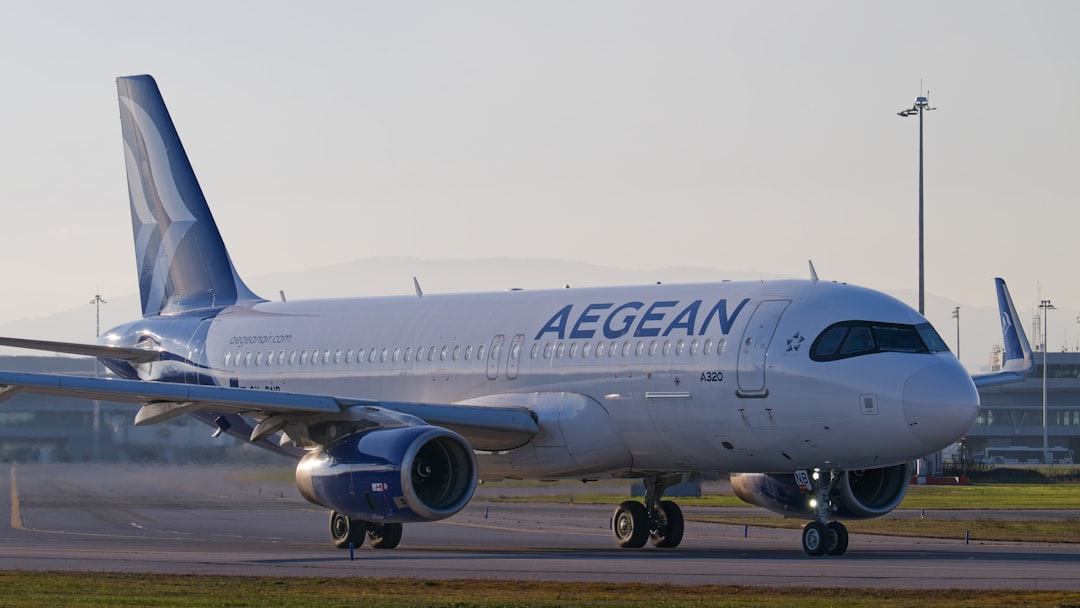
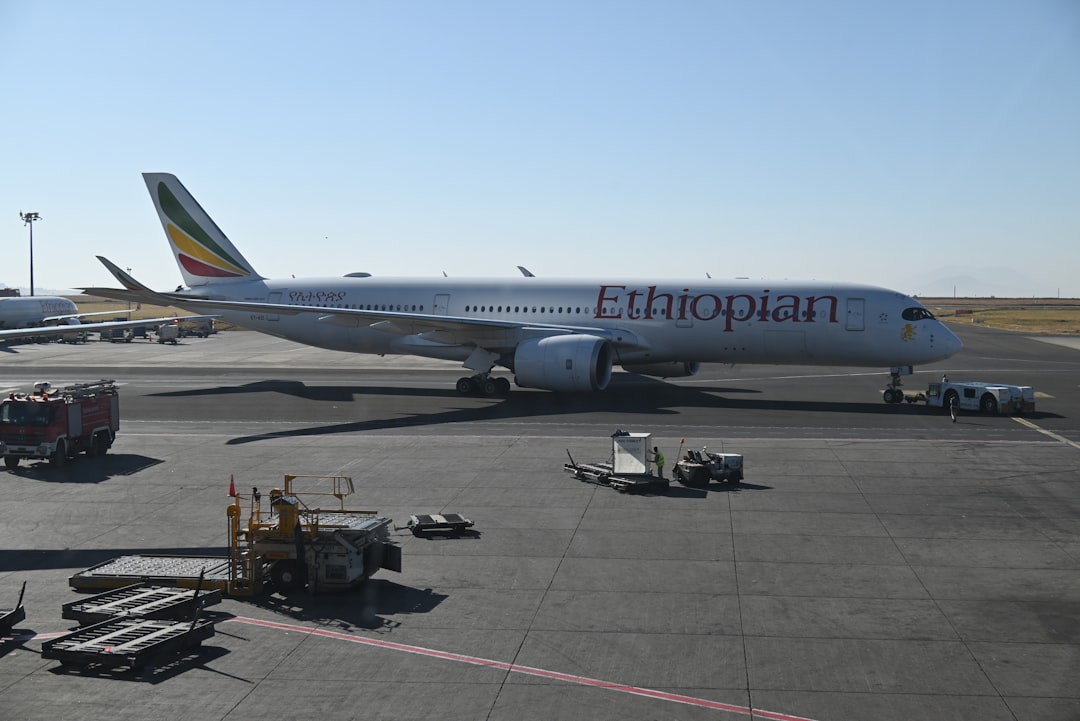
Aviation OEMs and engine makers have already tested hydrogen combustion and fuel-cell propulsion in narrowbody demonstrators. Natural hydrogen reserves—if abundant and accessible—would bypass the capital cost and renewable-electricity constraint of large-scale electrolysis, potentially accelerating hydrogen adoption in regional and short-haul fleets. AI-driven flight-planning systems that optimise SAF blend ratios and fuel burn could similarly integrate hydrogen availability, routing aircraft to airports with hydrogen bunkering infrastructure as the supply chain matures.
Regulatory push compounds urgency for new fuel sources
European Union mandates are tightening the vice on transport emissions. The EU Emissions Trading System reached one hundred per cent regulatory-cost implementation for shipping in 2026, compelling vessel operators to adopt bio-methanol and e-methanol blends to stay compliant, according to the Methanol Institute. Meanwhile, RED III compliance frameworks for biofuels and SAF operators, confirmed by RSB in late April 2026, impose strict certification requirements on every litre of sustainable fuel entering the European market.
These parallel regulatory streams—maritime ETS and aviation ReFuelEU—underscore the broader synthetic-fuels race. Carbon capture and utilisation projects are focusing on CCUS-derived feedstocks for aviation, shipping, and chemical production in the 2026 outlook. Natural hydrogen, if certified as low-carbon under RED III criteria, could slot directly into that regulatory architecture, offering airlines a compliance tool that does not compete for limited biomass or renewable electrons already earmarked for electrolysis and SAF production.
From drilling to departure gate
Translating a geological discovery into jet fuel will require exploration drilling, reservoir characterisation, and hydrogen purification at scale—challenges familiar to the oil and gas sector but new to hydrogen prospectors. Governments and energy majors are watching closely; any commercial white-hydrogen project will need pipeline infrastructure, storage, and either direct supply to airports or conversion facilities for synthetic kerosene. The timeline from discovery to first airline offtake agreements remains uncertain, but the Canadian Shield find signals that nature may have already done part of the hard chemistry work, leaving engineers to unlock it.
Sources
- Liquid e-fuels for a sustainable future: A comprehensive review of production, regulation, and technological innovation
- Power-to-Liquids – Green Car Congress
- May 2026 Short-Term Energy Outlook
Featured image via Unsplash.