








Geological hydrogen emerges as potential transport fuel source
White hydrogen—also known as natural or geological hydrogen—is produced by subsurface water–rock reactions in ancient formations. Unlike green hydrogen, which requires renewable electricity and electrolysis infrastructure, white hydrogen can be extracted directly from wells, slashing both capital expenditure and operating costs. The Canadian Shield discovery, announced by phys.org in mid-May 2026, is notable for its co-location with nickel, copper, and diamond deposits, suggesting that mining operators could tap hydrogen seams alongside conventional minerals.
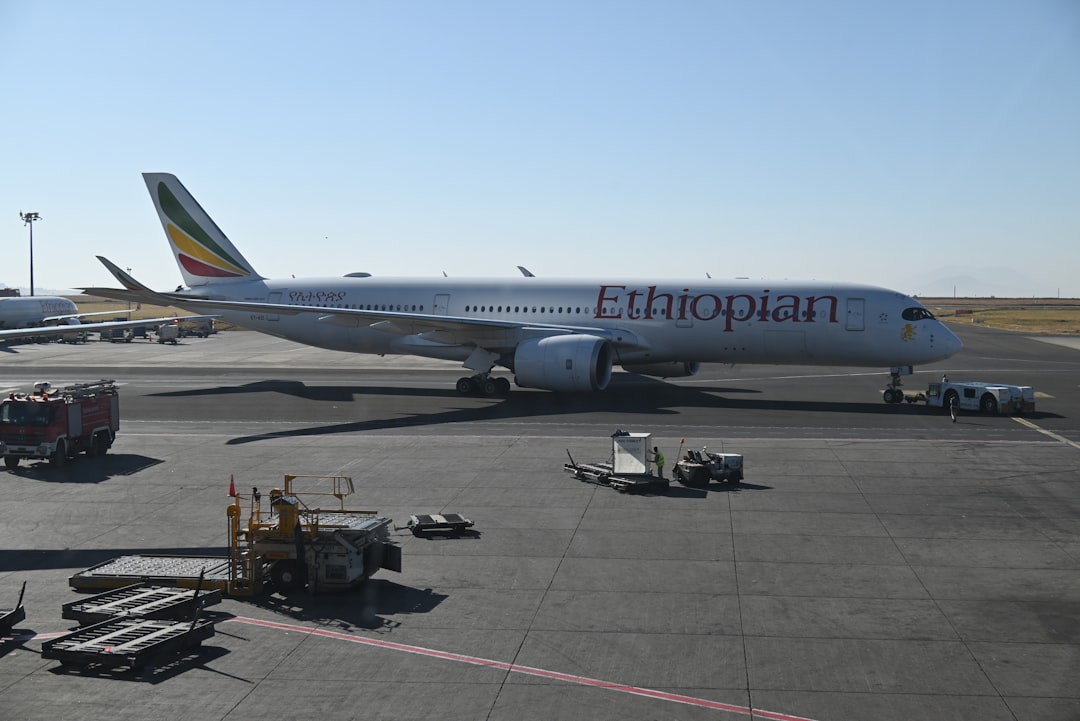
For aviation and transport, the implications are profound. If white hydrogen proves economically recoverable at scale, it could feed Power-to-Liquid e-fuel plants without the need for large electrolyser arrays, cutting the cost of sustainable aviation fuel and maritime e-methanol. The presence of nickel and copper—both critical for battery electric vehicles and fuel cells—raises the prospect of integrated clean-energy mining hubs that supply both mineral feedstocks and hydrogen to decarbonising transport sectors.
Canadian Shield geology and global exploration momentum
The Canadian Shield is a vast Precambrian craton covering much of eastern and central Canada, with rock ages exceeding one billion years. These ancient formations host some of the world’s richest mineral deposits and are now emerging as prospective white-hydrogen provinces. Serpentinisation—where water reacts with iron-rich minerals—is believed to be the primary hydrogen-generation mechanism in such settings.
Although the phys.org report does not specify reserve estimates or production timelines, the find adds to a growing global portfolio of white-hydrogen projects. Exploratory drilling programmes in Australia, the United States, and parts of Europe are already underway, and the Canadian discovery will likely accelerate government and industry interest in geological hydrogen as a complement—or alternative—to electrolytic pathways for transport fuels.
Connecting white hydrogen to aviation and Power-to-Liquid fuels
Sustainable aviation fuel today relies heavily on either biogenic feedstocks or green hydrogen produced via electrolysis. White hydrogen could offer a third route: extraction from natural reservoirs, followed by Fischer–Tropsch or methanol synthesis to yield drop-in jet fuel or e-methanol for shipping. Because geological hydrogen requires no renewable-electricity input, it may prove competitive even in jurisdictions with expensive or intermittent renewables.
The co-location with nickel and copper also matters for aviation’s broader electrification ambitions. Next-generation aircraft programmes—ranging from hydrogen fuel cells to battery-electric regional models—depend on secure mineral supply chains. A mining district that yields both white hydrogen and battery metals could become a strategic hub for zero-emission aviation and heavy transport, integrating fuel production with materials supply in a single value chain.
Sources
- What are e-fuels and synthetic fuels? – HORSE Powertrain
- E-Fuels Market Size, Competitors, Trends & Forecast to 2032 – Research and Markets
- Power-to-Liquids – Green Car Congress
Featured image via Unsplash.