








Maritime e-methanol pulls CO₂ infrastructure forward
Shipping’s scramble for carbon-neutral bunker fuels has turned e-methanol into the leading short-term alternative, prompting ports and industrial clusters to invest heavily in direct-air-capture plants, biogenic CO₂ sources, and electrolysis. The Carbon Capture & Storage Summit at the 2026 Fuel Ethanol Workshop and Expo underscored that ethanol producers are increasingly pairing fermentation off-gas with green hydrogen to produce methanol at scale. Meanwhile, Europe’s carbon capture debate has moved from ambition to execution, according to the CCSA EU Conference 2026, with multiple member states announcing co-investment frameworks that bundle maritime and future aviation synthetic-fuel projects under a single CO₂ grid.
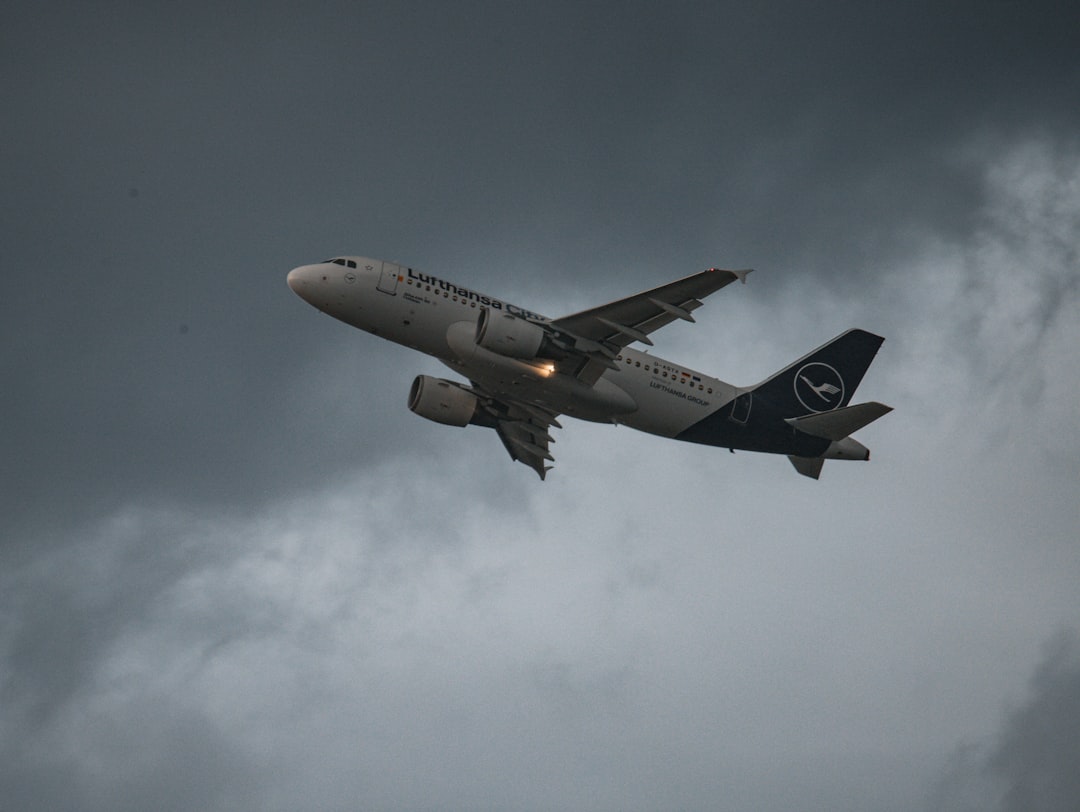
Aviation has historically watched from the sidelines as shipping pioneered methanol propulsion, but the convergence is accelerating. Airlines recognise that the same CO₂ feedstock used for e-methanol can be combined with additional hydrogen to yield Power-to-Liquid kerosene or Fischer-Tropsch jet fuel. By sharing capture infrastructure, both sectors drive down the per-tonne cost of CO₂ and create intermodal fuel hubs where ships, trucks, and eventually aircraft can all refuel with synthetic hydrocarbons derived from a common carbon and renewable-electricity base.
CCUS milestones and policy momentum
An end-of-year review of CCUS in 2025 revealed that capture capacity additions outpaced earlier forecasts, thanks in part to US tax credits and European co-funding mechanisms. The outlook for 2026 in the United States maps milestones and the road ahead for carbon capture, highlighting projects that will sequester millions of tonnes annually and supply both industrial users and fuel synthesisers. The International Energy Agency’s tracking of direct air capture shows pilot plants graduating to commercial scale, a trend that feeds directly into maritime e-methanol production and lays the groundwork for aviation’s future synthetic-fuel blending mandates under ReFuelEU and RED III.
What distinguishes the current wave from past false starts is the integration of digital tools: shipping companies already use route-optimisation algorithms to select ports with the lowest-cost e-methanol, and airlines are beginning to adopt similar AI-driven systems that factor SAF blend availability, price, and emissions intensity into flight planning, ensuring that every tonne of captured CO₂ delivers maximum climate benefit across both sea and sky.
Aviation’s stake in a shared carbon economy
For original equipment manufacturers and engine builders, the message is clear: designing turbines and airframes that tolerate higher synthetic-fuel blends today will pay dividends as maritime-driven CO₂ infrastructure matures. Airlines that secure offtake agreements for port-based e-methanol conversion to jet fuel will lock in predictable pricing and shield themselves from fossil-kerosene volatility. The cross-pollination of maritime and aviation fuel strategies also appeals to policymakers, who can justify CCUS subsidies by pointing to decarbonisation gains in two of the hardest-to-abate transport sectors simultaneously.
Sources
- CCSA EU Conference 2026: Europe’s Carbon Capture Debate Moves From Ambition To Execution
- Outlook 2026: Carbon capture in the US – Milestones and the road ahead
- CCUS In 2025: An End-Of-Year Review
- Carbon Capture & Storage Summit – 2026 Fuel Ethanol Workshop and Expo
Featured image via Unsplash.