AirPlant One: First Commercial PtL SAF Plant Goes Live
Twelve’s AirPlant One in Moses Lake, Washington marks the first US commercial-scale Power-to-Liquid plant producing e-Jet SAF from captured CO₂ and renewable electricity.









Twelve’s AirPlant One in Moses Lake, Washington marks the first US commercial-scale Power-to-Liquid plant producing e-Jet SAF from captured CO₂ and renewable electricity.

Korean researchers have demonstrated a nickel-cobalt water-electrolysis electrode that costs 99% less than platinum-group equivalents while outperforming them — a materials breakthrough with direct implications for scaling RFNBO hydrogen supply to aviation and transport.

Korean researchers have developed a nickel-cobalt water-electrolysis electrode costing 99% less than platinum-group alternatives, with scaling targeted at megawatt-class applications that could materially reduce SAF and e-fuel production costs.

A University of Oregon study published in Chem Catalysis identifies dissolved iron migration as the primary degradation mechanism in alkaline electrolysers operating on variable renewable power — a finding with direct implications for green hydrogen supply chains serving aviation and transport.

AIRCO has inaugurated a dedicated manufacturing facility in New Britain, PA, positioning modular power-to-liquid technology as a near-term industrial pathway for synthetic jet fuel production.
Belgium’s €3.5 million BE.Hydrogen geological exploration programme, approved in March 2026, is a survey only — but its long-term implications for natural hydrogen supply chains could matter to aviation and transport compliance planners watching 2030–2035 mandates.
Scientists have confirmed a massive natural hydrogen accumulation beneath the Canadian Shield, with the largest concentrations spanning Northern Ontario, Quebec, Nunavut and the Northwest Territories — a finding that could significantly alter the cost calculus for hydrogen-derived aviation fuels.

A potential Strait of Hormuz closure has pushed EU sustainable aviation fuel spot prices 31% above the 2026 average, intensifying pressure on airlines already navigating tight SAF supply and mandatory blending targets.
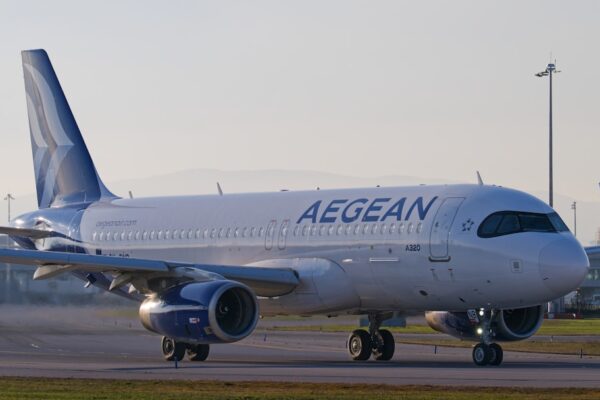
An Airbus and ICF study unveiled at the Farnborough Airshow projects Canada’s sustainable aviation fuel sector could generate $32 billion in GDP and support 140,000 jobs by 2040.
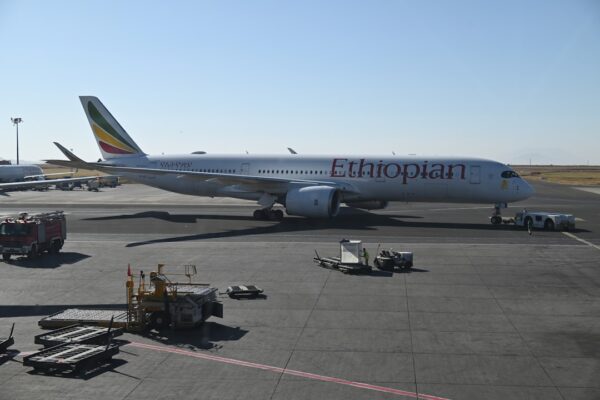
A new Airbus and ICF study unveiled at Farnborough Air Show finds that a thriving Canadian SAF value chain could contribute $32 billion to national GDP by 2040 if sustainable aviation fuel meets 40% of the country’s aviation fuel demand.